
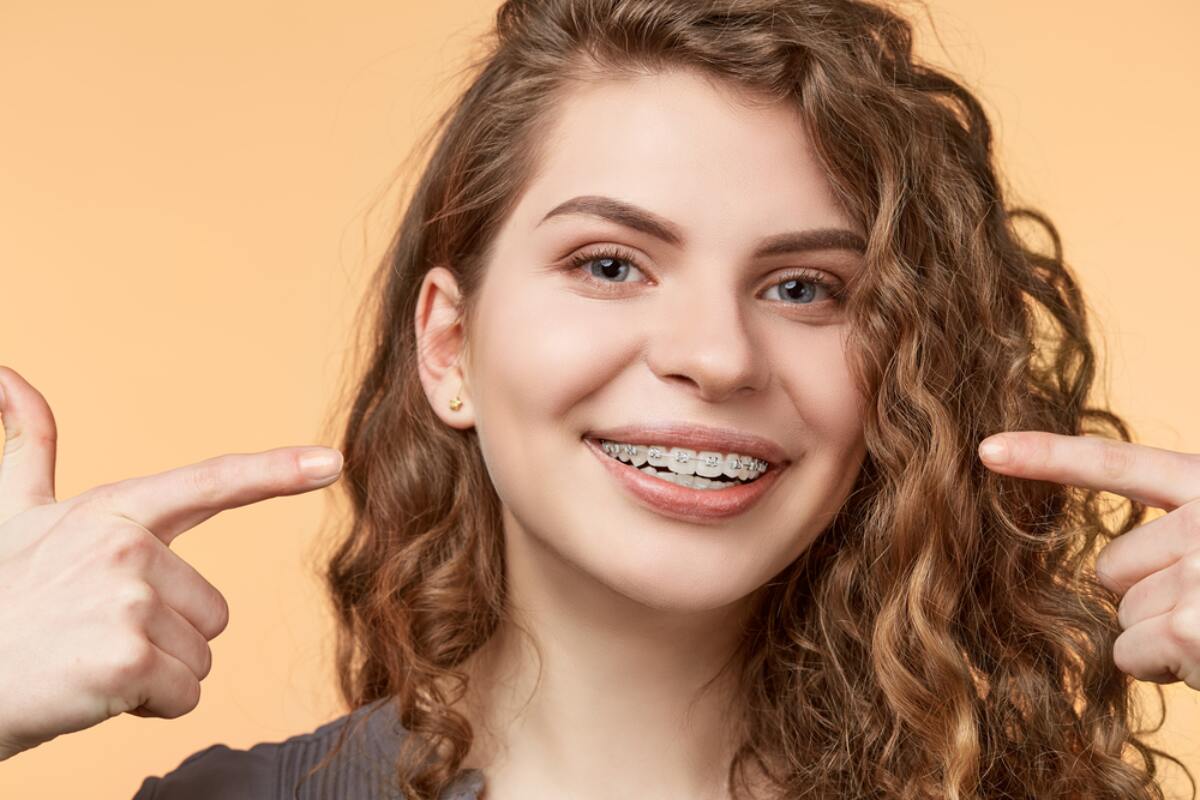
Will wearing braces hurt you at the start of the treatment? Braces can be painful, unpleasant and can cause discomfort, depending on the person. Braces may cause minor discomfort initially or after an adjustment, and this is a simple explanation for this. Nevertheless, this feeling is temporary and typically disappears as your mouth adjusts to the braces. An orthodontist in Orlando can help keep your treatment comfortable and effective while also guiding you through the process.
Braces slowly move teeth into better positions. The pressure may feel unusual at first, but most people get used to it quickly. Visiting an experienced orthodontist helps ensure the treatment stays safe and comfortable.
Why Do Braces Cause Discomfort?
Braces work by applying gentle pressure on teeth to guide them into proper alignment. This pressure can cause slight soreness because the teeth and surrounding tissues are adjusting.
Common reasons for discomfort include:
- Teeth shifting into new positions.
- Tightening or adjustment appointments
- Brackets rubbing against the cheeks or lips
- Pressure on the jaw muscles
The good news is that this discomfort is temporary and usually improves within a few days.
How Long Does it Take to Adjust to Braces?
Many patients wonder how long it takes to adjust to braces. Most people adapt within 3 to 7 days after the braces are first placed.
During this period, you may notice:
- Mild pressure on teeth
- Tender gums
- Slight difficulty chewing hard foods
- Small sores inside the cheeks
As the mouth gets used to the braces, these symptoms gradually disappear. Within a week, many patients hardly notice their braces during daily activities.
Tips for Managing Braces Discomfort
Learning to cope with brace discomfort will make your adjustment phase easier. Small changes to your everyday habits can make a big difference in reducing your soreness.
Here are some simple tips to help you feel more comfortable:
- Rinse your mouth with warm salt water if your gums feel sore.
- Use orthodontic wax on brackets if they irritate your cheeks.
- Take mild pain medicine if your dentist recommends it.
- Eat soft foods during the first few days.
- Avoid hard or sticky foods.
These simple steps can help keep you comfortable while your teeth slowly move into the right position.
Best Foods to Eat When Braces Hurt
Choosing the best foods to eat when braces hurt can make the early stages of treatment much easier. Soft foods reduce pressure on sensitive teeth and gums.
Recommended foods include:
- Yogurt
- Mashed potatoes
- Scrambled eggs
- Smoothies
- Oatmeal
- Soup
- Soft pasta
- Applesauce
Avoid foods that are crunchy, hard, or sticky because they can increase discomfort and damage brackets.
What Happens During Braces Adjustments?
Regular appointments are part of orthodontic care. During these visits, an orthodontist near you may tighten or adjust the wires to keep teeth moving in the correct direction.
After adjustments, patients may feel:
- Slight pressure on teeth
- Mild soreness for one or two days
- Sensitivity when biting
This discomfort is normal and shows that the braces are doing their job. The feeling usually fades quickly.
How Long Do People Wear Braces?
Braces treatment length varies depending on each person’s dental needs. On average, patients wear braces in Orlando for 18 to 24 months.
Factors that influence treatment time include:
- Severity of alignment issues
- Age of the patient
- Following the orthodontist’s instructions
- Wearing rubber bands if prescribed
- Maintaining proper oral care
Consistent checkups and good habits help keep treatment on schedule.
Signs Your Teeth Are Moving Correctly
Many patients feel concerned when they notice pressure or small changes in their bite. These signs often mean treatment is working properly.
Positive signs include:
- Teeth are slowly shifting position.
- Gaps between teeth are closing.
- Improved bite alignment
- Less crowding over time
Even though the process is gradual, every adjustment moves teeth closer to their final position.
How to Care for Braces During Treatment
With proper care, braces work effectively and prevent needless pain.
There are several important care tips.
- Make sure to brush your teeth after every meal.
- Daily, use orthodontic floss tools to floss.
- Don’t chew on ice or hard candy.
- Mouthguards must be worn while playing sports.
- See an orthodontist regularly.
During treatment, healthy habits protect the teeth and braces.
When Should You Contact an Orthodontist?
Although the discomfort of braces is normal, certain problems may require professional attention.
Contact an orthodontist if you notice:
- Broken brackets or loose wires
- Severe pain that does not improve
- Mouth sores that worsen over time
- Difficulty chewing after several days
Early attention helps prevent treatment delays and ensures comfort.
Start Your Smile Transformation Today!
Braces may cause mild discomfort at first, but the results can last a lifetime. Straighter teeth improve oral health, confidence, and overall smile appearance.
If you are considering orthodontic treatment, the team at All About Smiles is ready to help you achieve a healthy and confident smile. Schedule a consultation today and take the first step toward comfortable, effective braces treatment.
FAQs
Do braces hurt when they are first placed?
You may feel mild pressure or soreness for a few days after braces are placed. This happens because the teeth are beginning to shift. The discomfort usually fades within a week.
How long does the pain from braces take?
Most cases of soreness can last from 3 to 5 days after the placement or adjustment. During this time, soft foods and orthodontic wax can relieve some discomfort.
Can I take pain relief medicine for the discomfort in my braces?
Yes, mild pain relievers may help reduce soreness if recommended by a dental professional. Many patients find relief with simple home care methods.
Will braces affect how I eat?
At first, chewing may feel slightly uncomfortable. Eating soft foods and avoiding hard snacks can help protect braces and reduce pressure on teeth.
 Call Now