Before and After Treatment Pictures
Smile Gallery
See the results of actual patients who received treatment at All About Smiles Orthodontics in Orlando, Florida.



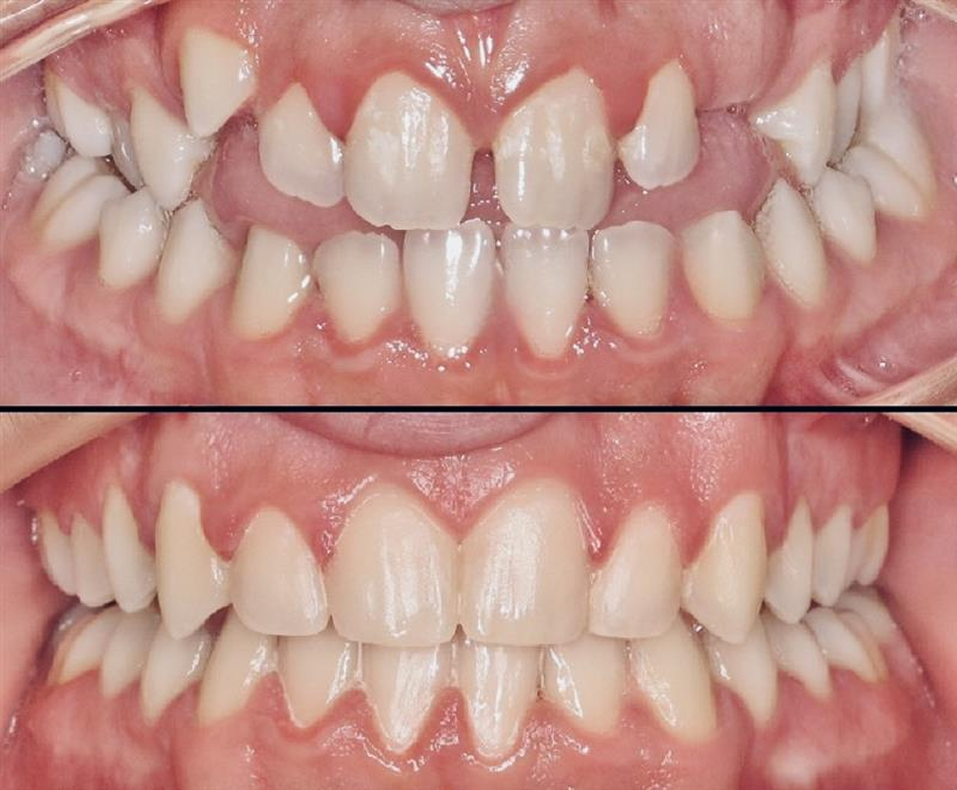
Treatment for Crowding
Patient Case 1
Orthodontic crowding, commonly known as crowded teeth, is a type of malocclusion (misalignment) that occurs when there is a mismatch between the size of a person’s jaw and the physical space required for their teeth to fit normally. When the dental arch is too small or the teeth are relatively large, incoming teeth are forced to twist, overlap, overlap vertically, or erupt entirely out of line to compete for space. Beyond the cosmetic impact on a person’s smile, severe crowding makes maintaining oral hygiene significantly harder. Plaque and food particles easily become trapped in tightly overlapping crevices where toothbrush bristles and floss cannot reach, drastically increasing the long-term risk of dental decay, tartar buildup, and gum disease. Modern orthodontics addresses crowding through various customized treatments, ranging from palate expanders that physically widen the jaw to braces, clear aligners, or selective extractions to safely guide the teeth into a healthy, functional alignment.
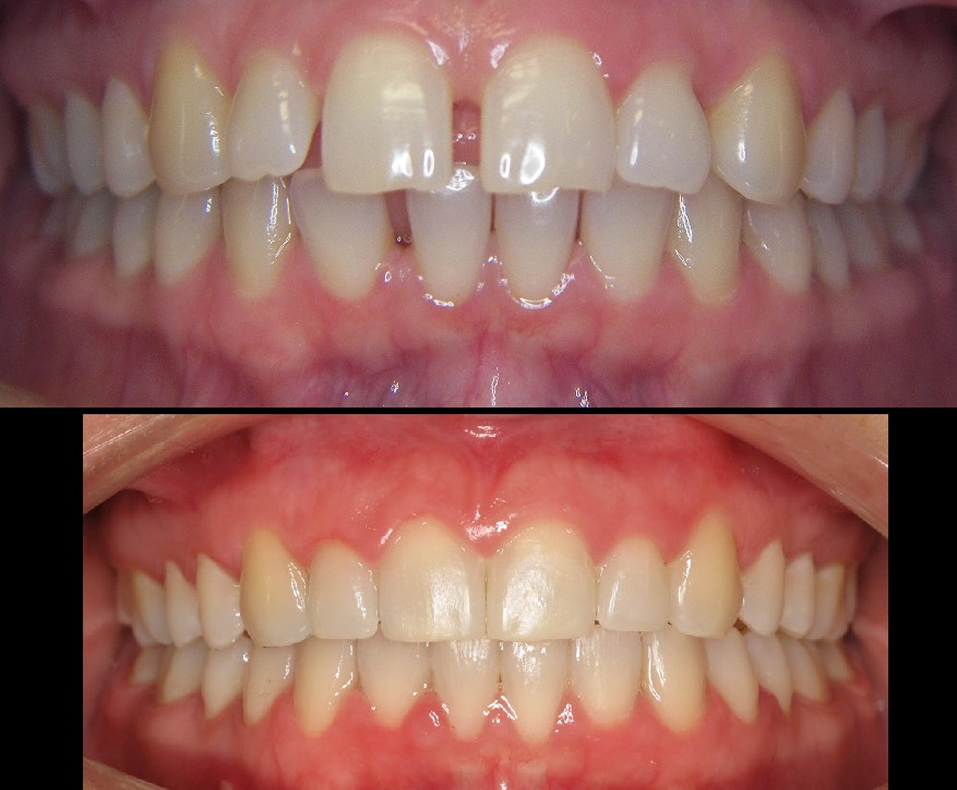
Treatment for Crossbite
Patient Case 2
A crossbite is a form of dental malocclusion where one or more upper teeth bite inside the lower teeth rather than slightly overlapping them on the outside. This misalignment can occur at the front of the mouth (anterior crossbite, which looks similar to an underbite) or along the sides (posterior crossbite, where the upper back teeth fit inside the lower ones). Typically caused by genetics, a narrow upper jaw, or prolonged childhood habits like thumb-sucking, a crossbite forces the jaw to compensate during chewing. Over time, this unnatural lateral shifting can lead to asymmetrical jaw growth in children, excessive wear on dental enamel, gum recession, and chronic strain on the temporomandibular joint (TMJ), which can cause headaches and jaw pain. Orthodontists usually recommend treating crossbites early, often using palatal expanders to widen the upper jaw or braces and clear aligners to safely move the misaligned teeth back into a proper, functional bite.
Treatment for Diastema
Patient Case 3
A diastema is a noticeable space or gap between two teeth, most commonly developing between the upper two front incisors. This spacing occurs due to a variety of factors, including a genetic mismatch where the jawbone is relatively large compared to smaller dental crowns, or missing and undersized teeth (such as peg laterals) that leave extra room in the arch. Another frequent culprit is an overdeveloped labial frenulum, the thin strip of tissue that connects the inside of the upper lip to the gums, which can grow too far down between the front teeth and physically block them from closing together. While a diastema is often a purely cosmetic concern and celebrated by many as a unique signature smile, it can sometimes cause minor speech changes or allow food to easily pack into the gap, irritating the gums. When individuals choose to close the space, dentists and orthodontists typically utilize clear aligners, traditional braces, porcelain veneers, or cosmetic bonding to seamlessly bridge the gap.
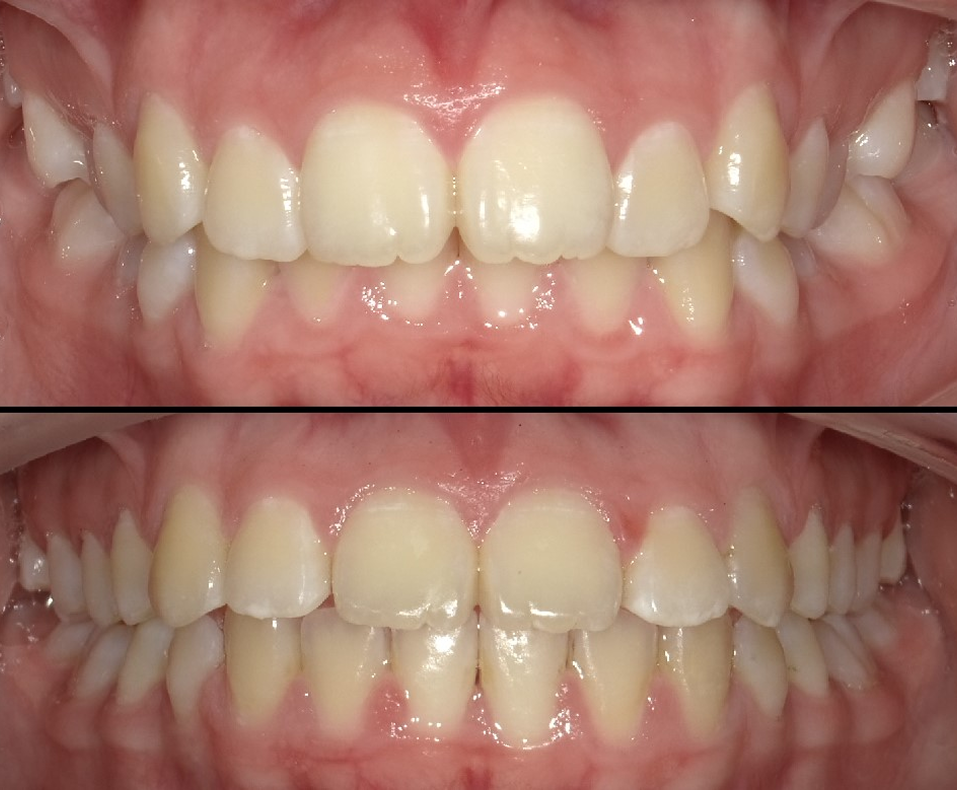
Treatment for Openbite
Patient Case 4
An open bite is a distinct type of malocclusion that occurs when the upper and lower teeth fail to make contact with each other when the jaws are completely closed. The most common form is an anterior open bite, where the front teeth do not touch, leaving a visible gap or opening directly into the mouth even though the back molars are firmly together. This condition is frequently linked to genetic skeletal factors, but it is heavily influenced by prolonged childhood habits such as thumb-sucking, excessive pacifier use, or tongue thrusting (forcing the tongue forward against the front teeth while swallowing). Because the front teeth cannot bite or tear food properly, an open bite severely impacts chewing efficiency, places excessive, wearing pressure on the back molars, and often causes speech difficulties like a noticeable lisp. Treating an open bite typically involves a combination of behavior modification therapies to correct tongue habits, alongside traditional braces, clear aligners, or, in severe skeletal cases, corrective jaw surgery to restore proper dental function and close the vertical gap.
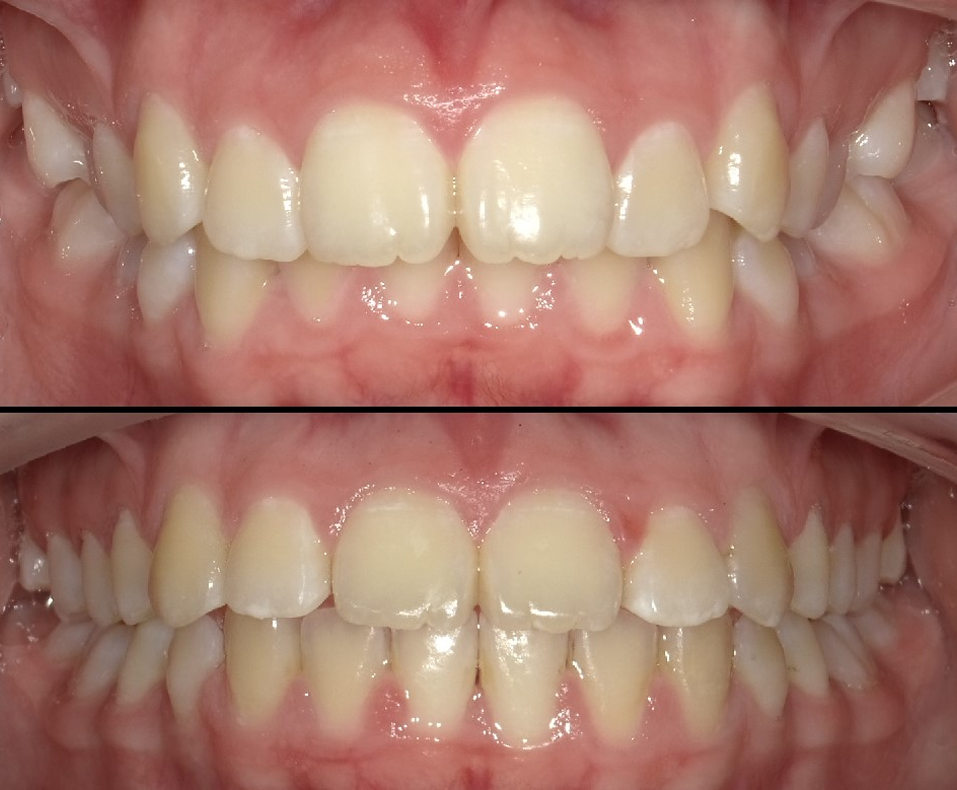
Treatment for Deepbite
Patient Case 5
A deep bite, also known as a severe overbite or closed bite, is a vertical malocclusion that occurs when the upper front teeth overlap the lower front teeth excessively when the jaws are closed. In a healthy bite, the upper teeth should cover only about 2 to 3 millimeters (roughly 10% to 20%) of the lower teeth, but in a deep bite, the upper teeth can hide the lower teeth entirely. Typically caused by a discrepancy in jaw length or an over-eruption of the front incisors, this condition can cause the lower teeth to continually press into the roof of the mouth or the gum tissue behind the upper teeth. Over time, this constant friction results in significant gum irritation, premature wear on the enamel of the lower teeth, and potential damage to the surrounding bone structures. Furthermore, a deep bite frequently contributes to temporomandibular joint (TMJ) disorders, leading to headaches and jaw tension. Orthodontists regularly correct a deep bite using customized plans that may include braces, clear aligners, bite ramps, or specialized appliances to intrude the front teeth or extrude the back molars, establishing a safe, balanced alignment.
Treatment for Spacing
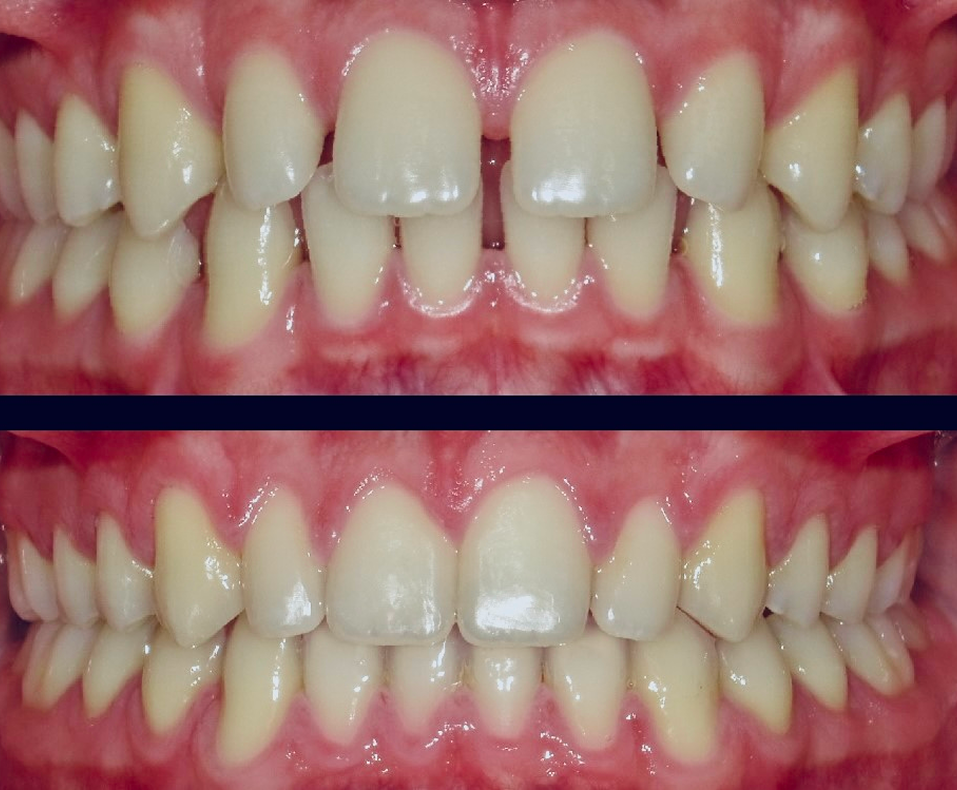
Patient Case 6
Treatment for orthodontic spacing focuses on closing excessive gaps between teeth to create a uniform, functional dental arch and improve overall oral health. The primary intervention involves orthodontic appliances like traditional metal or ceramic braces, or clear aligners, which exert continuous, gentle pressure to gradually guide teeth together and evenly redistribute the space across the jaw. If the gaps are caused by an overdeveloped labial frenulum (the tissue flap between the upper lip and front teeth), an orthodontist may recommend a frenectomy, a minor surgical procedure to remove the restrictive tissue, before closing the gap to prevent the space from reopening later. In instances where spacing is due to microdontia (abnormally small teeth) or missing teeth, a multidisciplinary approach combining orthodontic alignment with cosmetic dentistry, such as veneers, dental bonding, or implants, is often necessary to properly fill the remaining voids. Following active treatment, the consistent use of a custom retainer is critical to stabilize the teeth and keep them from drifting back into their old, spaced positions.
Treatment for Underbite
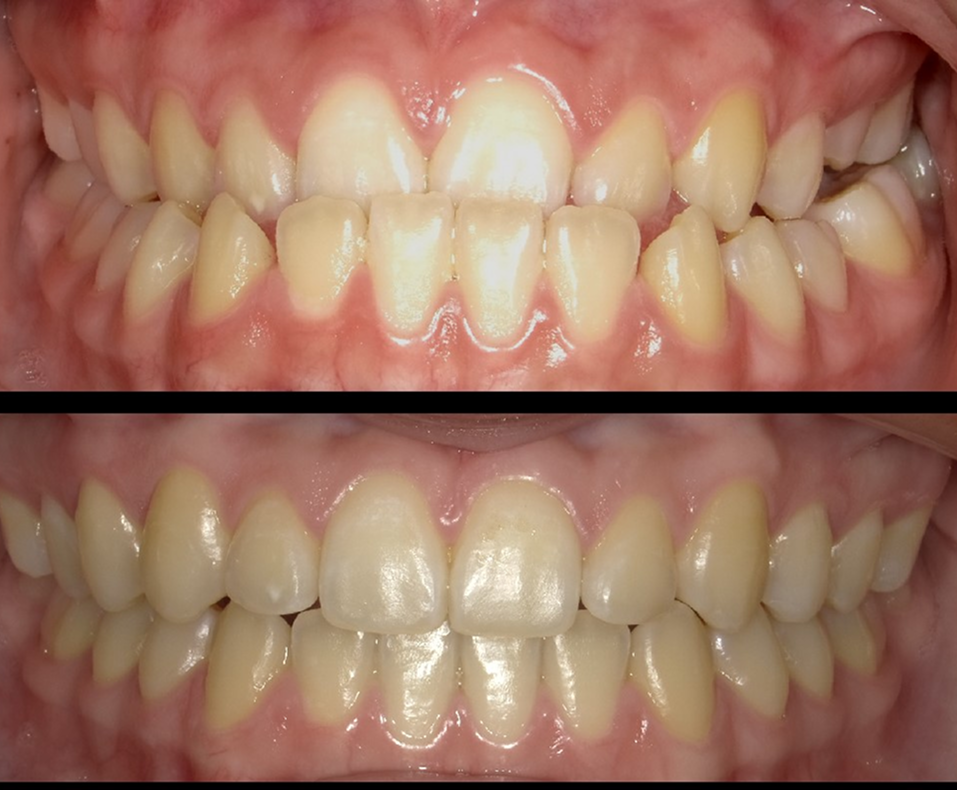
Patient Case 7
Orthodontic treatment for an underbite (Class III malocclusion) aims to correct the structural misalignment where the lower front teeth protrude past the upper front teeth. Because underbites can stem from dental positioning, an underdeveloped upper jaw, or an overdeveloped lower jaw, treatment strategies vary heavily based on the patient’s age. For growing children and adolescents, orthodontists prefer interceptive treatments to modify jaw growth; this often involves a upper palatal expander to widen a narrow maxilla (upper jaw) paired with a reverse-pull facemask to gently pull the upper jaw forward. For milder or purely dental cases in teenagers and adults, traditional braces or clear aligners equipped with heavy intermaxillary elastics (rubber bands) are utilized to pull the upper teeth forward and shift the lower teeth backward. However, because adult jaw bones are fully fused and can no longer be molded by appliances alone, severe skeletal underbites in adult patients typically require a comprehensive combination of orthodontic shifting and orthognathic surgery (corrective jaw surgery) to permanently realign the jawbones, restore proper chewing function, and balance facial aesthetics.